What’s the Difference Between Cobra Pose & Upward Facing Dog
As a new yoga student it can be super confusing when the yoga instructor isn’t exactly clear on the difference between cobra pose and upward facing dog in a vinyasa flow class…. so lets take a moment to clear things up and help you figure out which one is best for your body.
Step 1: Let’s take a moment to look at each pose separately
Cobra Pose Sanskrit: Bhujangasana
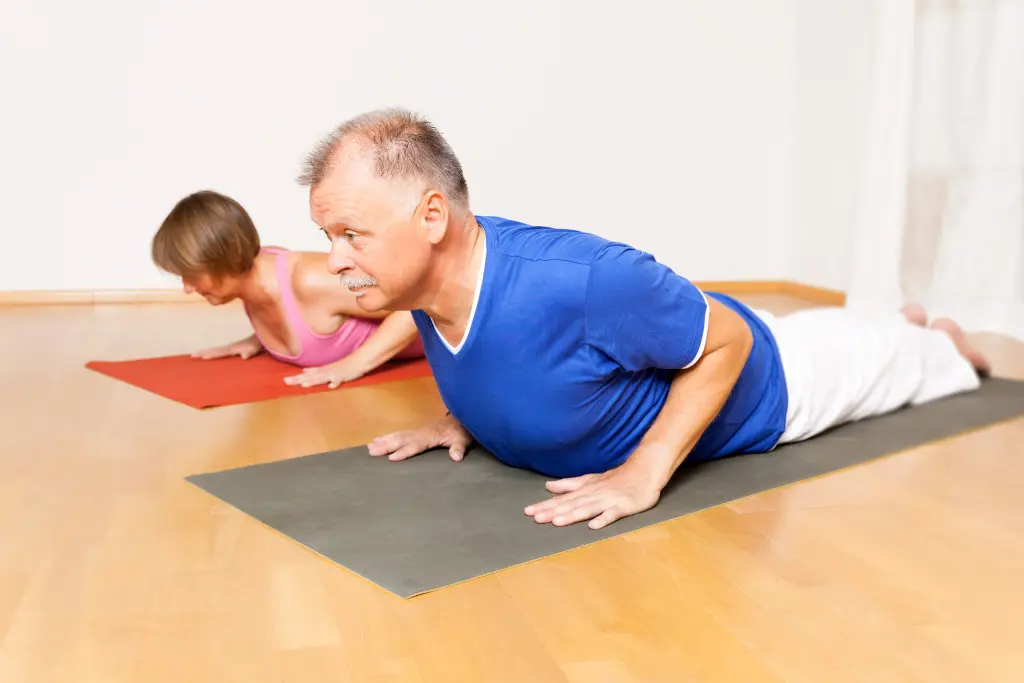
Bhujangasana or Cobra Pose strengthens the muscles of the back, legs, and arms. It is often taught toward the beginning of a vinyasa flow class or as a preliminary backbend to deeper backbends.
Here are 7 Tips to Improve Alignment in Bhujangasana
- Lie on the floor on your belly with hands underneath your shoulders and fingertips just back behind your collar bones.
- Either squeeze your legs together or take them so they’re hips width distance. Press your toe nails into the mat and engage your legs. Press your pubis (commonly called your pubic bone) into the mat and think of lengthening your tailbone down toward the earth (this will help take some of the compression out of the lower back ).
- Draw your elbows in and shoulder blades down your back.
- With an inhale breath peel your chest up off the mat using the strength of your back. Gaze is forward and down with the jaw line drawing slightly back to maintain length in the cervical spine.
- Think of engaging your lower abdominals to provide stability to your lower back.
- Elbows stay bent in Cobra Pose. And shoulders continue to draw down your back.
- You may use the strength of your arms to lift a little higher, but know to back off when you feel any compression in the lower back.
Exhale to come out of the posture.
Upward Facing Dog Sanskrit: Urdhva Mukha Svanasana
Upward Facing dog is used most commonly in a vinyasa class as a linking posture that links Chaturanga Dandasana to Downward Facing Dog (Adho Mukha Svanasana). It is important to maintain stability through your center and keep your legs engaged.
Here are 7 Tips to Improve Alignment in Upward Facing Dog
- Since upward facing dog is normally taught from Chaturanga that is how we will address it here. To make sure your shoulders are in the right place for your upward facing dog it’s important to press forward on your toes when you take your chaturanga, so your forearms are perpendicular to the floor and your upper arms are parallel to the floor.
- With an inhale begin to pull your chest forward through the arms and roll over the tops of the feet.
- Your legs are engaged. Tops of your feet pressing into the mat with legs and pelvis off of the floor.
- Your arms are straight and perpendicular to the floor with your shoulders stacked directly over your wrists.
- Engage your lower abdomen to maintain stability in the lower back.
- Gaze (drishti) can be forward or up, but make sure you’re not dropping your head back and collapsing into the cervical spine.
- When you’re in the posture make sure your shoulders aren’t lifting up to the ears. Shoulders are drawing down and back is the shoulder blades draw in and down.
Exhale to exit the posture.
Step 2: Let’s Compare Cobra Pose and Upward Facing Dog side by side
Cobra Pose
Upward Facing Dog
Step 3: Now the big question: Should I be practicing Cobra Pose or Upward Facing Dog?
Cobra Pose is truly a foundational posture. It’s great for improving strength of the lower back and reducing lower back pain . It helps lay the groundwork for deeper backbends by warming up the muscles of the back. This posture also strengthens the glutes, legs and arms. Cobra pose is a safe way to backbend in a vinyasa class for almost everyone. If you have any limitations in your lower back I highly recommend practicing cobra pose. I do not recommend straightening the arms. And I encourage you to be mindful as you backbend, so you’re not compressing the lower back… especially as your back becomes more flexible.
Upward Facing Dog is common mostly in vinyasa style/power yoga classes. I think that it is important to be able to move from high plank to chaturanga (low plank) to upward facing dog to downward facing dog without bringing the hips, knees, thighs down to the mat. If you have the strength to do that you have the strength in your core to support the lower back in this posture.
I recommend always warming up your lower back with a few rounds of low cobra before moving into upward facing dog… so that may mean that you take the first three vinyasas of your yoga class with cobra pose instead of upward dog.
If you’re new to yoga start practicing cobra pose and once you feel strong and confident in cobra begin to practice upward facing dog. Remember the tips I’ve listed here and enjoy your practice.
Please feel free to contact me if you have any questions.
Love and Light,
Autumn
Share this:
- Click to share on Twitter (Opens in new window)
- Click to share on Facebook (Opens in new window)
Related
200 Hour Hybrid Yoga Teacher Training
A yoga teacher training designed for women who lead from within. Blend online study with immersive retreats in Nicaragua and Oregon.
- Yoga Alliance Certified
- Flexible Online + In-Person Format
- Two Immersive Retreat Experiences
About the Author
Autumn Adams
E-RYT, YACEP, Founder of Ambuja Yoga
Autumn is a yoga teacher, retreat leader, and the founder of Ambuja Yoga. She is passionate about helping women reconnect with their inner wisdom through yoga, movement, and mindful living.
You Might Also Enjoy
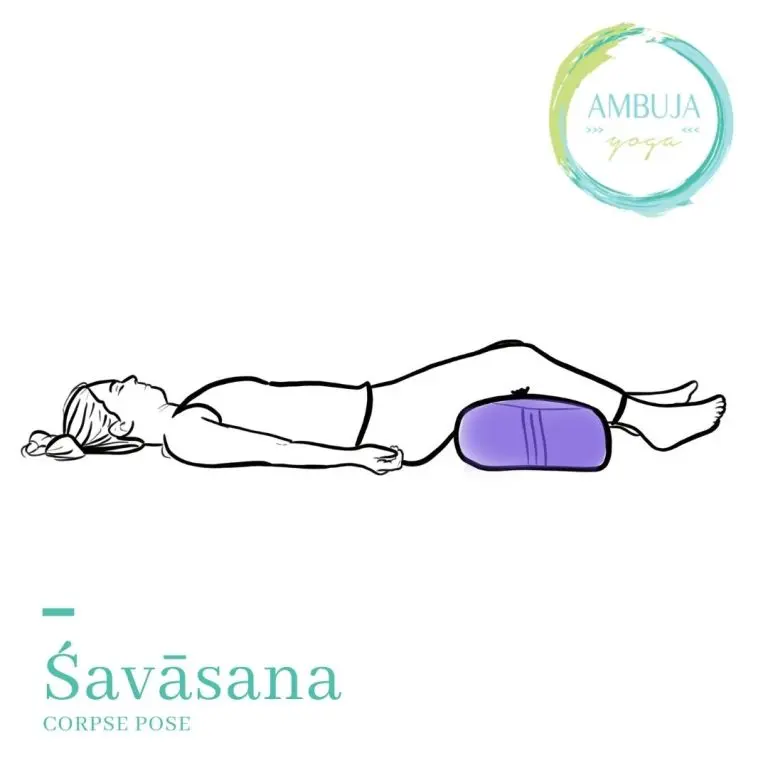
Is it Shavasana or Savasana?
Is it pronounced shavasana or savasana? Let's look at the Sanskrit for our beloved Corpse…
Yoga Poses for Better Foot Health
The feet tend to take a lot of abuse and they almost never get a…
The Best Yoga for Better Posture
The best yoga for better posture includes a range of motions: forward folding, backbends, twisting,…