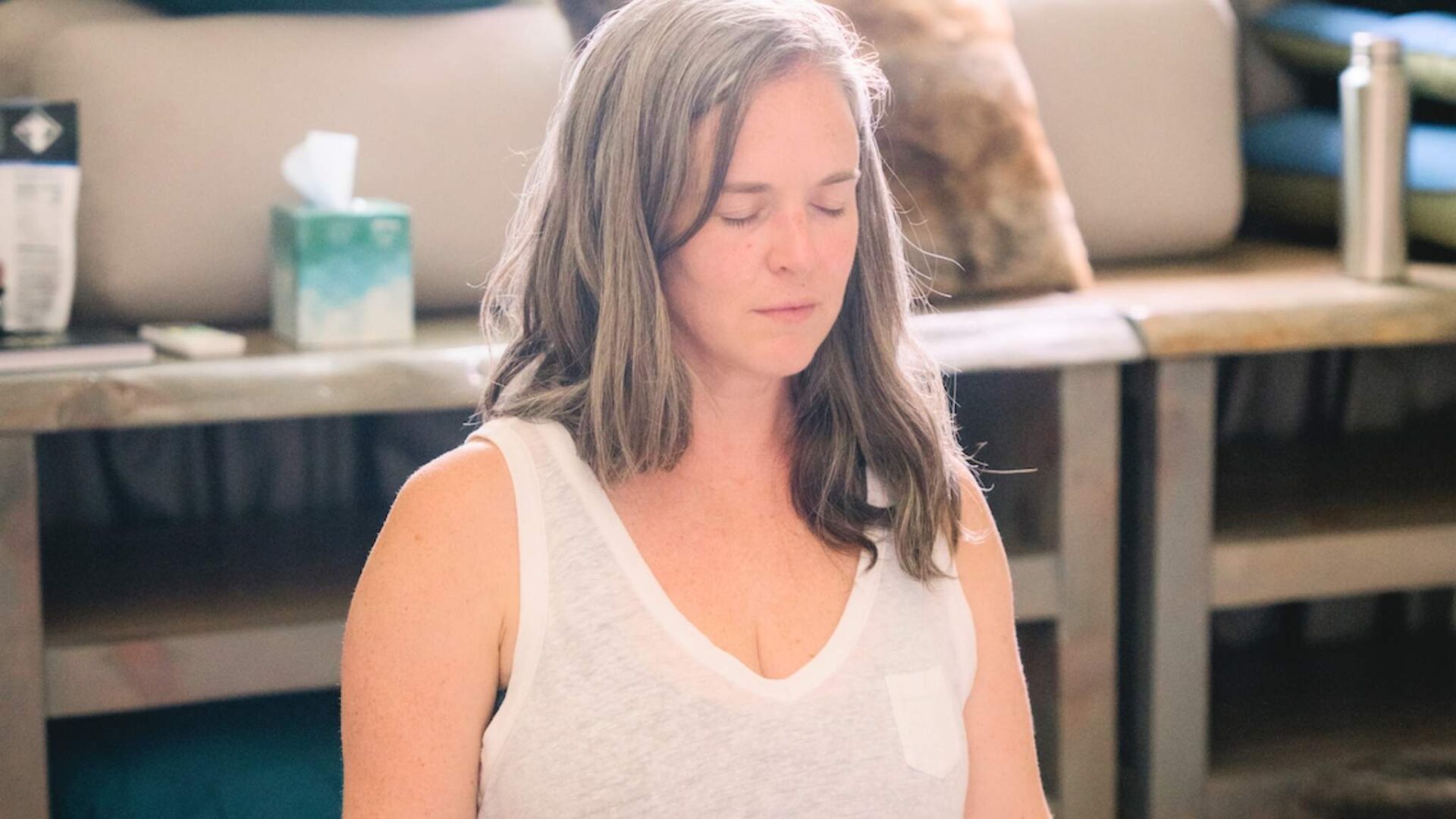
How to Know If You’re Ready for Yoga Teacher Training
13 years · 40+ retreats · 700+ women



A clear framework for women whose practice is starting to ask for more.
Many yoga students type “how to know if I’m ready for yoga teacher training” into Google right around the time their practice begins to mature — but they’re not sure what the next step actually is.
If that’s you, here’s the honest answer — and it’s probably not the one you came looking for.
You don’t find out you’re ready. You decide you’re ready. Yes, I said it.
Readiness has nothing to do with flexibility, headstands, or feeling certain. It isn’t a threshold you cross or a checklist you finish. It’s a choice. The signs below won’t make you ready — nothing will. What they’ll tell you is that the pull is real and worth trusting. Becoming ready is the moment you stop waiting to feel it and choose to begin.
Most women enroll in a 200-hour training not because they want a new career, but because they want depth. They want to know why the practice works, not just move through it. Not more poses — more understanding.
So here’s what that pull tends to look like — and why, in the end, the deciding is yours.
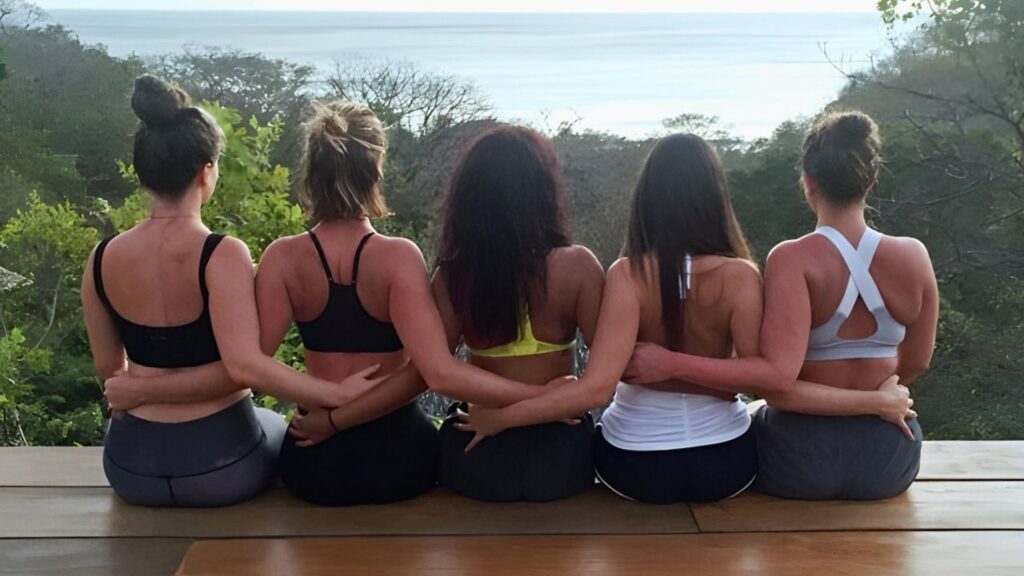
What It Means to Be Ready for Yoga Teacher Training
Being ready for yoga teacher training is less about meeting a checklist and more about a decision. Yes, it helps to have an established practice and a genuine desire to understand yoga beyond the postures. But those things don’t make you ready — they just mean the pull is real. You become ready when you choose to begin rather than wait to feel certain.
Most reputable 200-hour programs recommend at least six to twelve months of consistent personal practice before you enroll.
Here’s what that pull usually looks like:
- You keep a consistent personal practice, even when life is busy.
- You’re curious about anatomy, philosophy, sequencing, and how teaching actually works.
- You want deeper understanding — not harder poses.
- Your growth edge has shifted; it feels more internal and intellectual than physical.
- You’re curious about teaching, even if you’re unsure you’ll ever make it a career.
None of these make you ready. They just mean the question is alive in you — and that’s worth listening to. Readiness isn’t mastery, and it isn’t certainty. It’s commitment: the decision to begin.
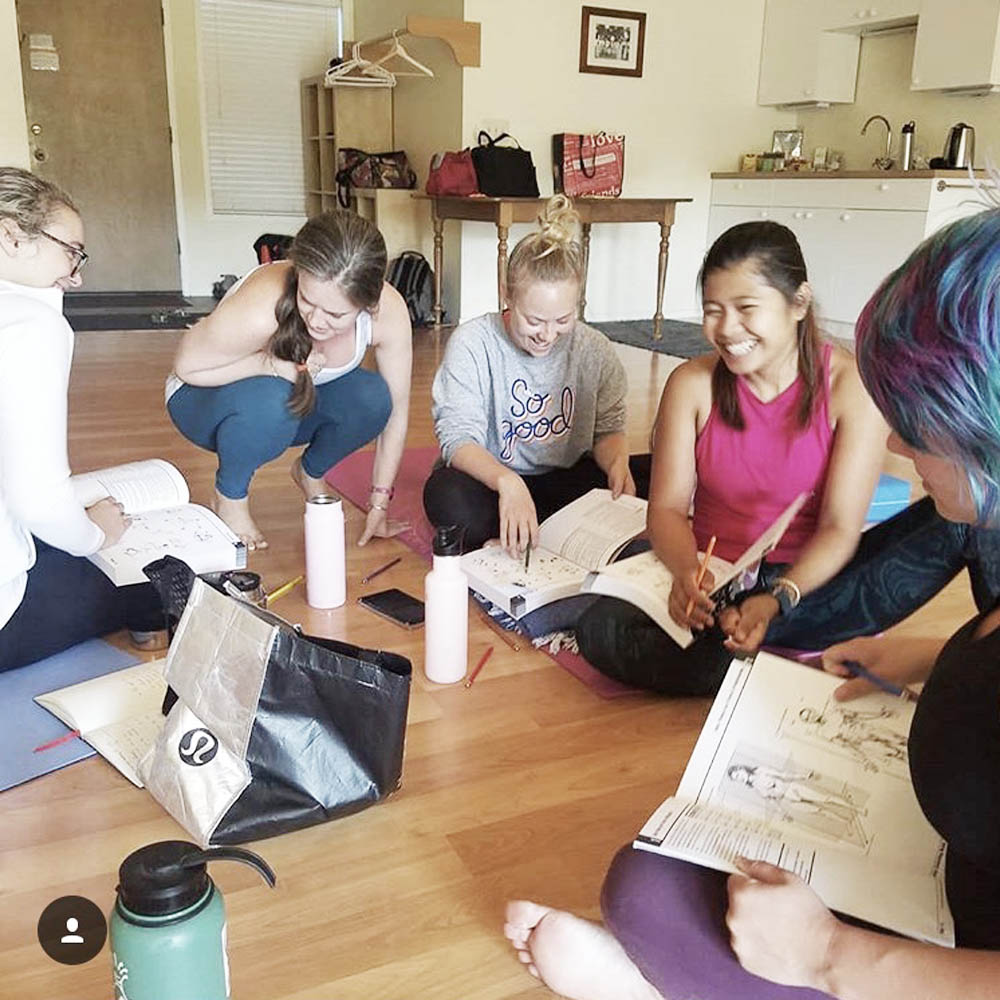
The 5-Part Readiness Framework
After more than a decade of teaching and guiding women into deeper study, I’ve noticed the pull toward training tends to show up the same way. These aren’t five gates you pass through to become ready. They’re five signs the desire is real. Readiness still comes down to a choice — but if you recognize yourself here, that choice is closer than you think.
1. Practice Consistency
You’ve kept a steady practice for at least six months. You understand foundational alignment in the body, and you can steady your breath. Consistency matters far more than intensity here — a calm, regular practice tells you more about readiness than an ambitious one.
2. Intellectual Curiosity
You’ve started wanting to know why. Why a sequence works the way it does. Why some cues land and others don’t. How biomechanics keep a body safe. What trauma-sensitive teaching really means. How the nervous system responds to different pacing. How women’s bodies change across life stages.
When the questions start multiplying, the training becomes relevant.
3. Discernment
You notice the subtleties in a class now — the pacing, the breath, the clarity of a cue, the way a sequence feels in your body, the shift in the room. This isn’t criticism or judgment. It’s your perception growing sharper, and it’s often the first real sign the pull toward studying the craft itself has arrived.
4. Sustainable Motivation
You’re not driven by urgency, comparison, or something you saw on Instagram. You’re drawn by something steadier — a real wish to understand the practice and where it lives in your life. That’s a reason that lasts the whole way through, not just the first week.
5. Integration
The deepest pull of all: your growth edge moves from intensity to integration. You want your knowledge, your intuition, and your lived experience to line up. You want to deepen your practice inside your real life — not escape it — and to live yoga both on and off the mat.
This is exactly where a training that unfolds over time, rather than in one condensed burst, tends to serve women best.
Do You Need to Want to Teach to Be Ready?
No.
Plenty of women take a 200-hour training with no intention of ever leading a public class. They come to understand anatomy in context, to study philosophy properly, to learn trauma-sensitive and nervous-system-aware approaches, to sharpen how they communicate, and to weave yoga more fully into daily life.
Some go on to teach. Many never do. Both leave with a more refined, grounded practice — and both are glad they came.
When Is the Right Time to Start?
There is no right time that announces itself. There’s only the moment you decide. It won’t be when you feel fearless or finally certain — that moment isn’t coming. It’ll be when your curiosity outweighs your hesitation, when you want context more than choreography, and when you’re willing to commit to consistent study inside your real life.
If you’re waiting to feel one hundred percent confident, you’ll wait forever. Confidence isn’t a prerequisite. It’s something the training gives you, not something you bring to it.
I waited seven or eight years before enrolling in my own teacher training — not because I wasn’t ready, but because I thought readiness meant certainty. It doesn’t. Readiness was never a feeling I was waiting to arrive. It was a decision I finally made. The day I stopped waiting to feel ready and simply chose, I was ready. That’s how it works for everyone.
Choosing the Right Format
If you’re weighing whether you’re ready, the shape of the training matters as much as the timing.
Not all 200-hour trainings are built the same. Some are condensed into a few intense weeks. Others — like hybrid, women-centered programs — are designed to unfold over time, so the learning has room to land. A format that respects your real life lets you:
- Balance the training with work and family
- Study anatomy and philosophy in depth, not in a rush
- Practice teaching and actually get feedback
- Complete in-person immersions for hands-on, embodied learning
- Absorb what you’re learning gradually, instead of cramming it
If sustainability and real integration matter to you, structure matters.
What Inner Alchemy Actually Involves
Inner Alchemy is a hybrid, women-centered 200-hour yoga teacher training built for women fitting deeper study into a full life. Here’s the shape of it:
- Format: TWO in-person immersions + live weekly learning + expert workshops, accountability + an additional 6 months of mentorship once you’ve graduated.
- Immersion: November 2026 in Bend, OR + Nicaragua in May 2027
- Timeline: 200 hours over 7 months
- Cohort size: maximum of 15 students
- What you study: anatomy, philosophy, sequencing, trauma-sensitive and nervous-system-aware teaching, women’s physiology across life stages, and supported teaching practice with feedback
- Certification: Alliance RYS 200 — graduates can register as an RYT 200
- Tuition: $5497 with payment plans from as little as $250/month
- Who teaches: Autumn Adams, E-RYT 500, YACEP & Toni Larson, E-RYT 500, YACEP
If you’re reading this and quietly nodding, pay attention to your inner voice, your intuition. Inner Alchemy was built for exactly this woman — the one who wants depth, not a new line on a résumé. See the next cohort →
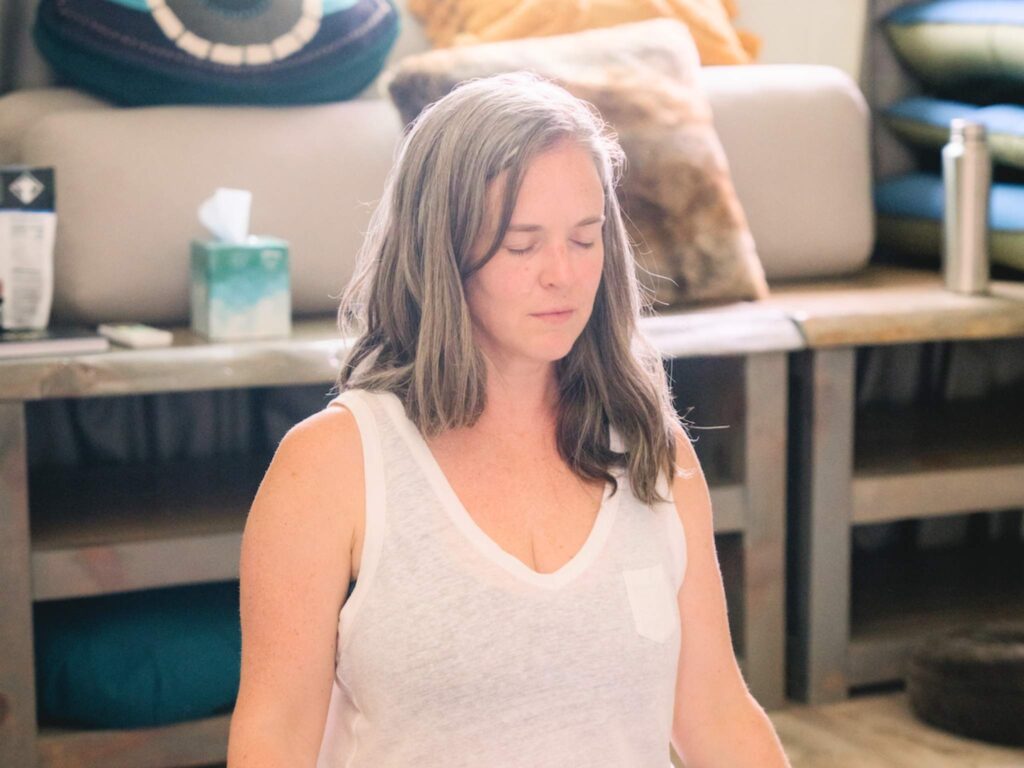
Signs You’re Ready — A Quick Recap
You may be ready if:
- You practice consistently
- You crave deeper understanding
- You’re open to feedback
- You’re curious about teaching, even quietly
- You want integration over intensity
If that resonates, you’re likely more ready than you’ve let yourself believe. The signs aren’t a gate to wait at — they’re just the pull, telling you the desire is real. They’ll never add up to certainty, because certainty isn’t how this works. Readiness is the choice to begin. You won’t feel one hundred percent sure. Choose anyway.
Frequently Asked Questions
How do I know if I’m ready for yoga teacher training? Readiness for yoga teacher training is ultimately a choice, not a feeling you wait for. The signs — a consistent practice, real curiosity, a desire for depth — tell you the pull is real, but you become ready the moment you decide to begin rather than wait to feel certain.
Do you need to be advanced to start yoga teacher training? No. Most reputable 200-hour programs ask only for a consistent personal practice, not advanced postures. Some of the best teachers never teach a single advanced pose — what matters is understanding and clear communication, not flexibility.
Is yoga teacher training worth it if I don’t want to teach? Yes. Many students enroll to deepen their knowledge, anatomy, and practice rather than to pursue a teaching career. You leave with a more refined practice and a fuller understanding of yoga whether or not you ever lead a class.
How long should you practice before doing yoga teacher training? Most reputable 200-hour trainings recommend at least six to twelve months of consistent personal practice before enrolling. Consistency matters far more than intensity or how many years you’ve practiced.
How much does a 200-hour yoga teacher training cost, and how long does it take? [Add your real tuition range, payment-plan options, total duration, and the split between online study and in-person immersion. A hybrid format spreads study over several months so you can train without pausing your life.]
Can I do yoga teacher training while working full-time or raising a family? Yes. That’s exactly what hybrid, women-centered trainings are designed for. By spreading the hours over time and combining online study with shorter in-person immersions, you can train without putting your life on hold.
What’s the difference between an intensive and a hybrid yoga teacher training? An intensive condenses all 200 hours into a few consecutive weeks, while a hybrid spreads them over time with online study plus in-person immersions. Hybrid formats prioritize integration — letting you absorb and apply what you learn inside your real life.
Is the training Yoga Alliance certified? [Confirm and state it plainly — e.g. “Yes, Inner Alchemy is a Yoga Alliance Registered Yoga School (RYS 200), so on completion you can register as an RYT 200.”] Yoga Alliance registration is the standard credential to look for in any 200-hour program.
Ready to explore the next step?
If your practice has been quietly asking for more, the Inner Alchemy 200-Hour Yoga Teacher Training was built for you — women-centered, hybrid, and designed to deepen your practice inside your real life. See the next cohort and what’s included →
Or sit with it a little longer. Just know the noticing never turns into certainty — at some point you simply choose. And when you do, you’ll be ready.
A FREE CLARITY PRACTICE
You won’t find readiness. You’ll decide it. Before You Begin is a short practice that helps you tell the difference between not being ready — and not yet choosing. Twenty quiet minutes, a pen, and an honest look.
Stay close to your practice. A weekly note from me — grounded practices, honest reflections, and the occasional nudge toward your next step. No spam, ever. Unsubscribe anytime.
About the Author
Autumn Adams
E-RYT, YACEP, Founder of Ambuja Yoga
Autumn is a yoga teacher, retreat leader, and the founder of Ambuja Yoga. She is passionate about helping women reconnect with their inner wisdom through yoga, movement, and mindful living.
You Might Also Enjoy
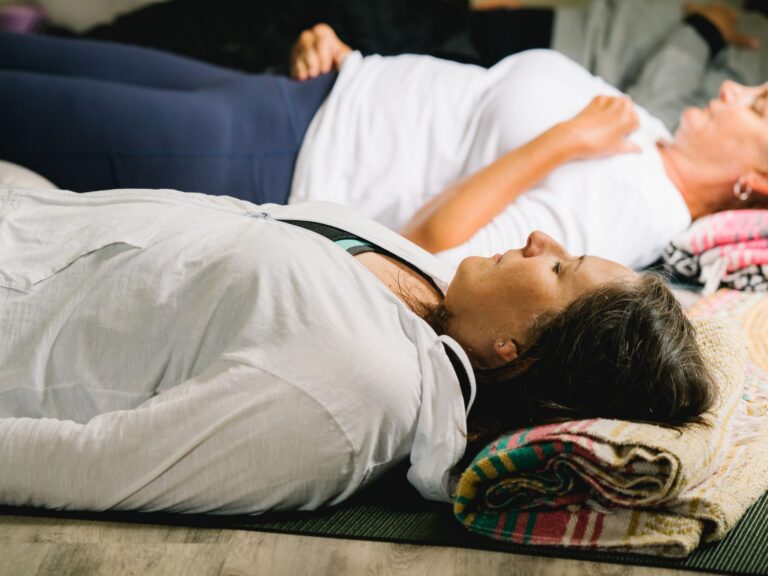
Yoga Nidra Script Inspired by Nature (Free PDF + Audio)
Discover the many benefits of yoga nidra, yogic sleep, with this yoga nidra script inspired…
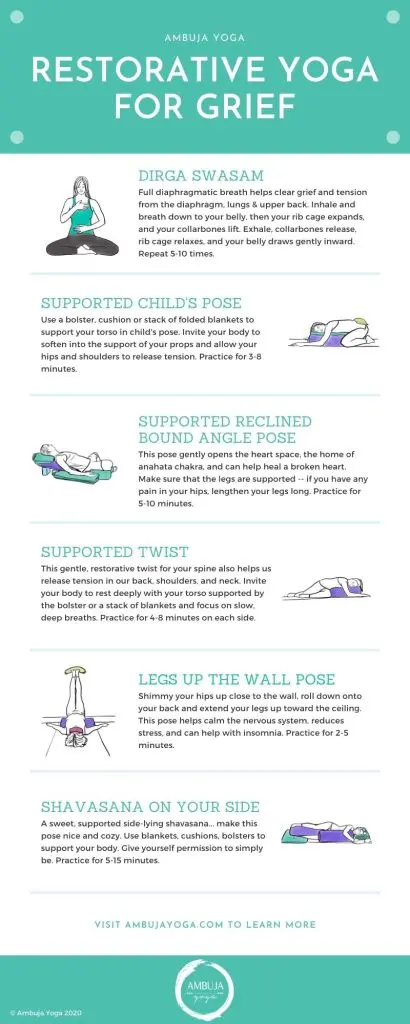
Restorative Yoga for Grief
Restorative yoga for grief is an opportunity to feel held and cared for whether you're…
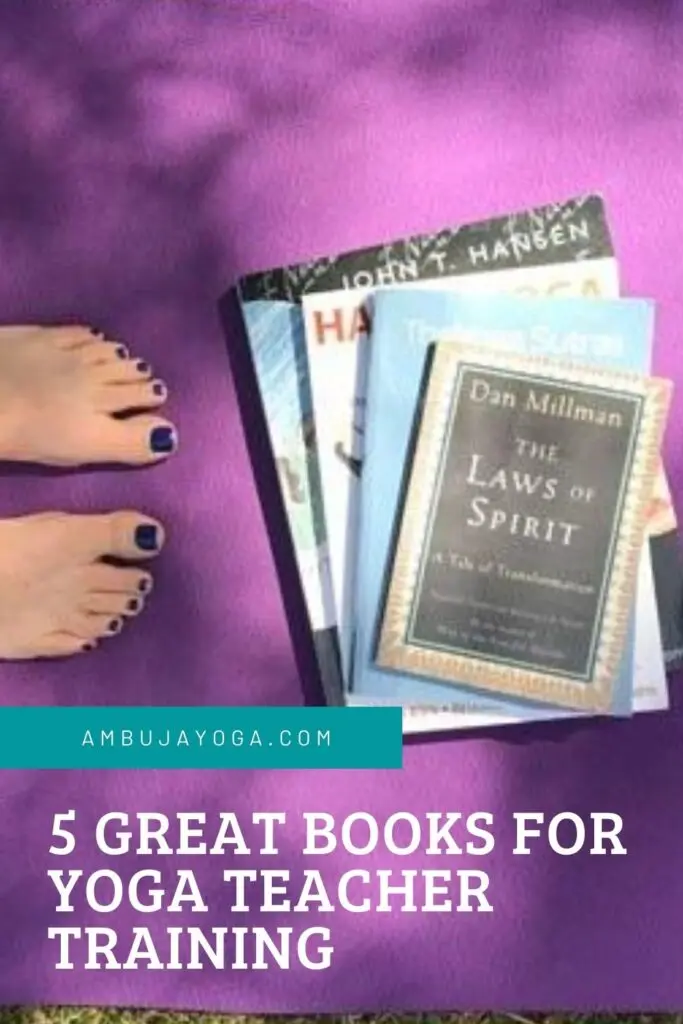
5 Great Yoga Teacher Training Books
Dive into the ancient wisdom of yoga with these great yoga teacher training books. They're…