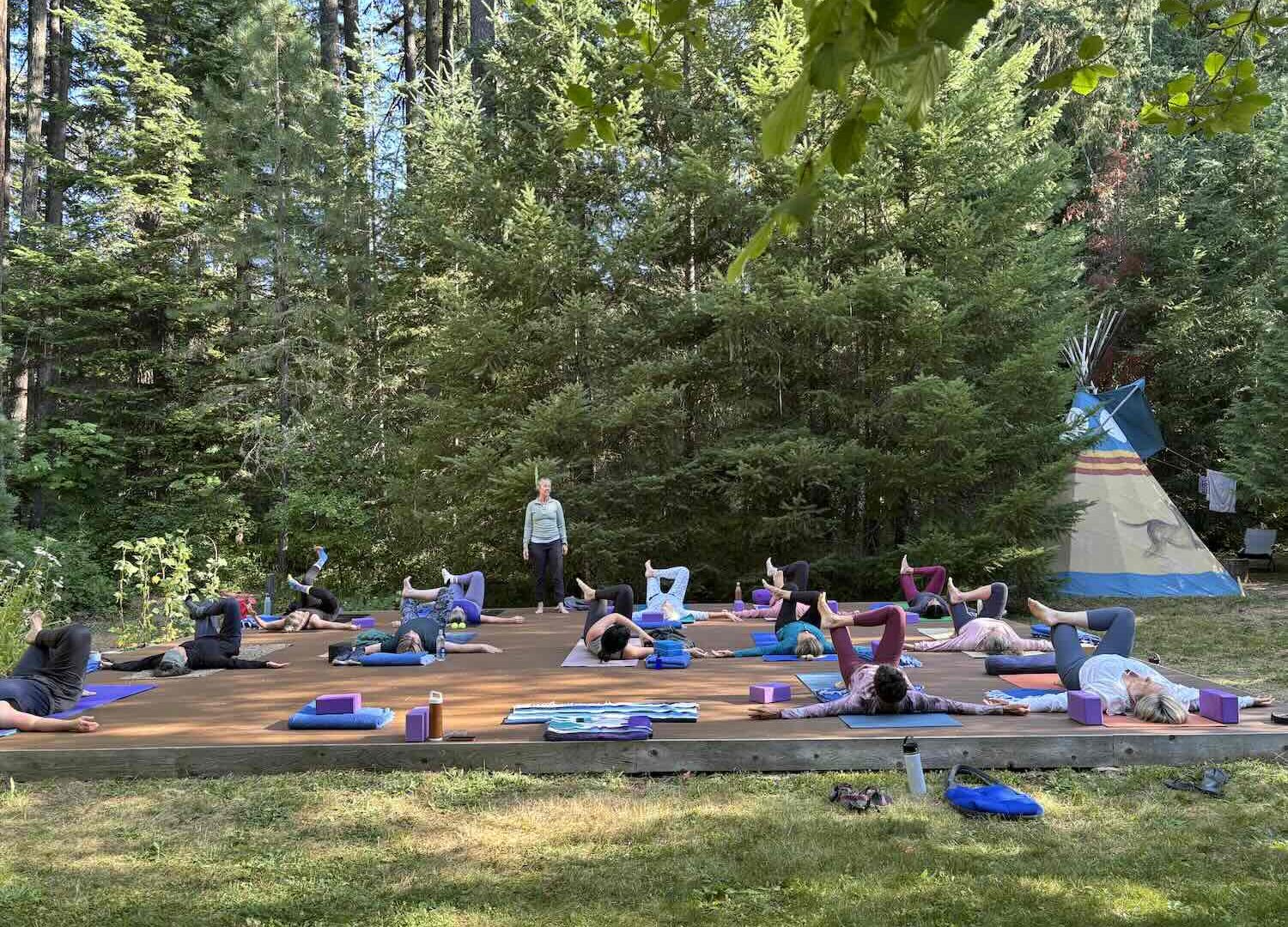
13 years · 40+ retreats · 700+ women



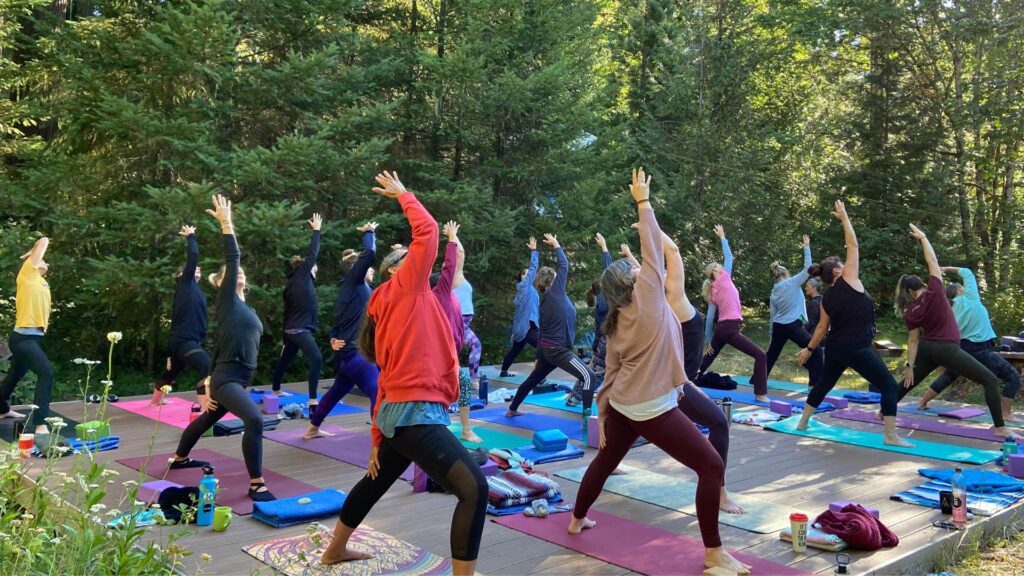
(Especially if you’re not sure you’re “retreat material”)
So you’re toying with the idea of going on a yoga retreat.
You’ve probably been eyeing one (maybe one of ours), imagining yourself barefoot on your mat, breathing deeper, maybe crying under the stars (in the best way).
And then, like clockwork, your brain kicks in with:
“But I’m not that good at yoga…”
“What if everyone else knows each other?”
“What if I feel out of place?”
Sound familiar?
This post is for you.
This is what I wish someone told me before I ever stepped into my first retreat space.
It’s not a packing list. It’s not some overly spiritual fluff.
It’s the real talk you need to hear.
1. You don’t have to be a yoga expert.
Please hear this: You do not have to be super flexible, spiritual, or even consistent with your practice to come on retreat. In 13 years and 40-plus retreats, I’ve noticed the women who worry most about not being “ready” are almost always the ones who needed it most.
You don’t need:
- A fancy mat
- Perfect posture
- To know Sanskrit
- A color-coordinated outfit
You do need:
- A pulse
- An open mind
- Maybe a pair of cozy socks
Most people who join us aren’t hardcore yogis. They’re women who need space. A reset. A chance to come back to themselves without the to-do list and expectations.
2. Yoga is just one piece of it.
Yes, there’s yoga. But no, it’s not hours of power flows every day.
We’ll move together. But more importantly:
- We’ll journal and reflect
- We’ll share real conversations
- We’ll nap, eat amazing food, and sit in stillness
- We’ll breathe (like really breathe)
This isn’t about “doing more.”
It’s about remembering who you are under all the shoulds.
What Does a Day on a Yoga Retreat Actually Look Like?
A typical retreat day moves slowly on purpose: morning yoga, an unhurried breakfast, open afternoons for rest or exploring, and a gentle evening practice — with real space in between. Nothing is mandatory. The rhythm is built to help your nervous system downshift, not to keep you busy.
- Morning. Wake without an alarm, coffee in the early light, then gentle yoga and breathwork — slow, accessible, no experience needed — followed by a breakfast you didn’t have to plan or cook.
- Midday. A nourishing lunch, then the afternoon is yours: hike, nap, journal, soak your feet in cold water, or sit outside with a book and nowhere to be. There’s usually an optional guided session for anyone who wants it.
- Evening. Dinner is shared and slow — the kind of meal where the conversation runs long. Things wind down with something restorative: a gentle practice, a guided meditation, or early sleep in the quiet.
The point isn’t the schedule. It’s what the schedule protects: time to think clearly, move when you want, rest when you need, and laugh with women who get it.
3. You might get emotional. That’s okay
When’s the last time you got to just exist without tending to a million things?
Retreats make space for that. Which also makes space for… emotions.
Tears, laughter, a-ha moments, quiet softness — they all tend to show up. And when they do, you’ll be supported. You won’t be judged. It’s normal. It’s welcome. It’s healing.
“If it’s in your heart, it’s part of your path.” — Rebecca Campbell
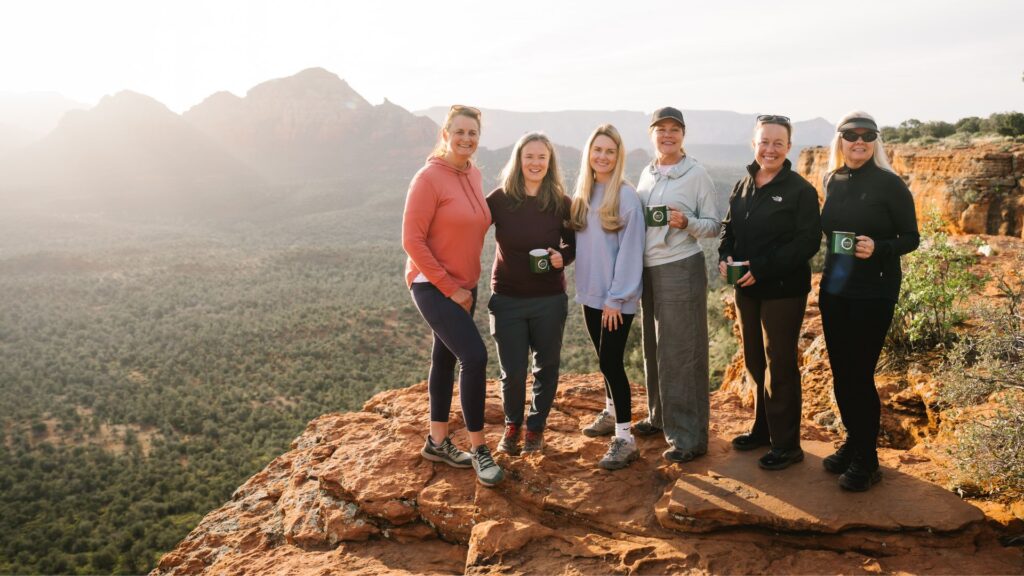
4. The connections are different.
It’s wild how quickly people open up on retreat.
No small talk. No peacocking. Just realness.
You’ll meet people who feel like you’ve known them forever.
You’ll share stories you didn’t think you’d say out loud.
You’ll be seen — maybe for the first time in a long time — in a space that feels safe and sacred.
There’s something about this kind of space that makes connection effortless.
Already picturing yourself there? That’s usually how it starts. See our upcoming retreats → — most women come alone, and every one of them was a first-timer once.
5. You’ll leave changed — in the way you’ve been craving.
You’ll go home with new energy, new clarity, and new non-negotiables for your life.
You’ll remember what matters. You’ll remember you.
This isn’t just a break. It’s a reset for your nervous system, your priorities, your soul.
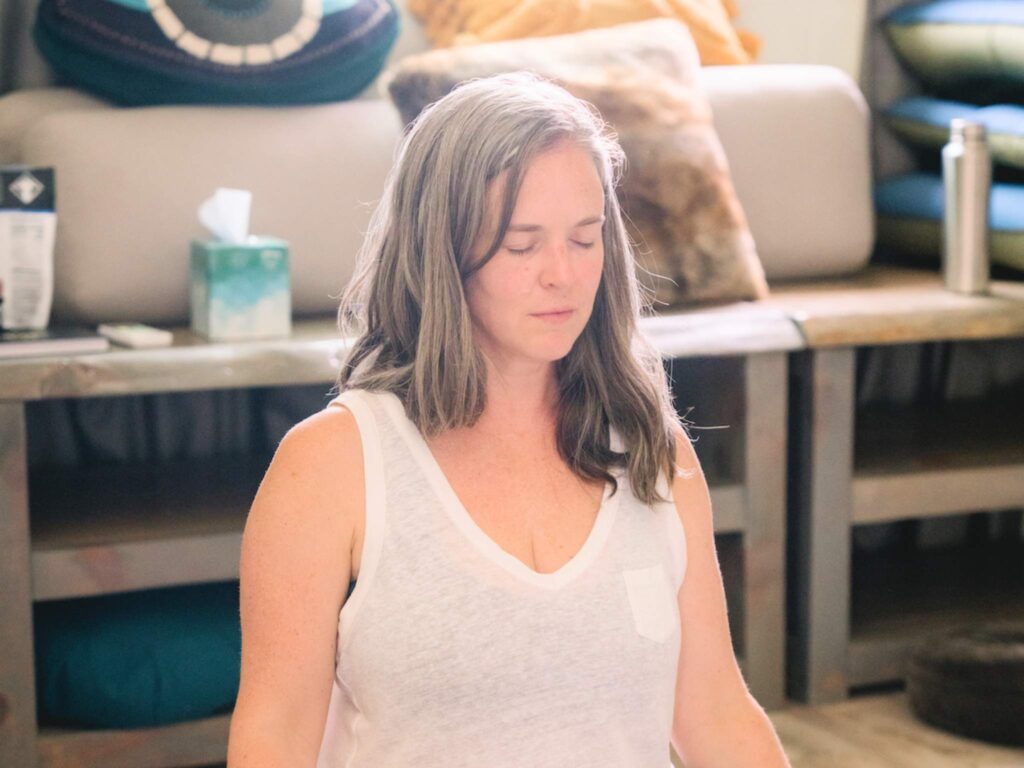
Bonus: Research the teacher. Trust your gut.
Retreats are intimate. Vulnerable. Powerful. And the teacher or guide plays a huge role in that experience.
So before you book anywhere (yes, even here), take a moment to feel into who’s leading it.
- Does their energy feel grounded?
- Do they make you feel safe?
- Are they walking the talk — or just selling a “vibe”?
- Can you picture yourself feeling held in their space?
If you’re going to be emotionally cracked open in the woods with strangers, you should trust the person holding the container.
Ask questions. Do a little digging. Your retreat experience is worth it.
Frequently Asked Questions About Yoga Retreats
What should I know before my first yoga retreat? The most important thing to know before your first yoga retreat is that you don’t need to be experienced, flexible, or “spiritual” to belong there. Most first-timers arrive nervous and unsure — and leave wishing they’d come sooner. You need an open mind, not a perfect practice.
Do I need to be good at yoga to attend? No. You do not need any yoga experience to attend a retreat. Sessions are designed for all levels and offered with modifications, so you can move at your own pace — or simply rest when you need to.
Can I go to a yoga retreat alone? Yes, and most women do. Coming on your own is the norm, not the exception. The small-group setting makes connection easy, and by the second day it usually feels like you’ve known each other for years.
What actually happens at a yoga retreat? A retreat blends yoga with rest, time in nature, shared meals, reflection, growth, laughter, and real conversation. It’s far less about intense daily flows and far more about slowing down enough to feel like yourself again.
Is it normal to get emotional on a retreat? Yes. Emotions surfacing on retreat is completely normal and welcome. When you finally stop tending to everyone else, feelings you’ve been carrying tend to come up — and a good retreat holds space for that without judgment.
How do I choose the right yoga retreat? Choose based on the teacher as much as the destination. Look for someone grounded and experienced who makes you feel safe, ask questions before you book, and trust your gut. You’ll be vulnerable on retreat, so the person leading it matters more than the itinerary.
What should I pack for a yoga retreat? Pack comfortable layers, a reusable water bottle, anything that helps you rest, and far less than you think. Most retreats provide mats and props — check your confirmation details and resist the urge to over-pack. (Link to your packing-list post here.)
How do I know if I’m ready for my first yoga retreat? If part of you is already imagining it, that’s usually your answer. You don’t have to be more healed, more experienced, or more ready — you just have to be willing to listen to the part of you that knows you need this.
If you’re looking for a retreat that’s real, restorative, and rooted in connection, here’s where you’ll find our upcoming retreats →.
Not ready to book? Grab the free First Retreat Prep Guide → — everything to know before you go, no pressure. Or just DM or email me. I’m here to help you figure it out.
With so much love,
Autumn
About the Author
Autumn Adams
E-RYT, YACEP, Founder of Ambuja Yoga
Autumn is a yoga teacher, retreat leader, and the founder of Ambuja Yoga. She is passionate about helping women reconnect with their inner wisdom through yoga, movement, and mindful living.
Upcoming Retreats
Ready to experience the magic for yourself? Explore our upcoming retreat offerings.
 Almost Full
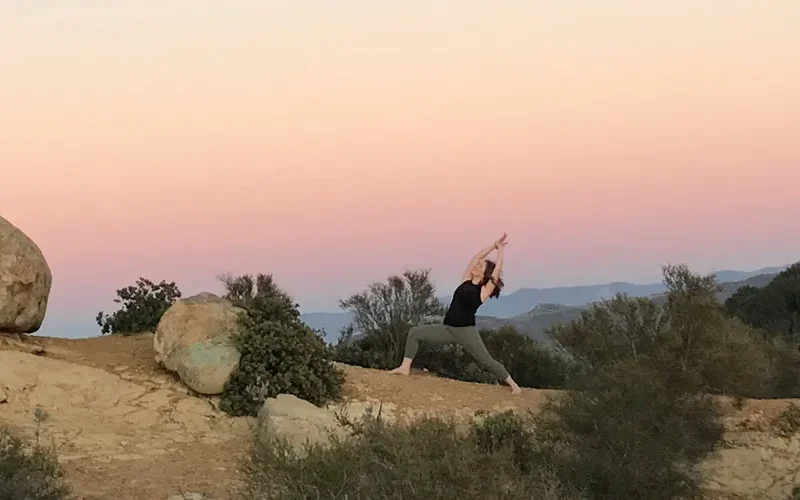
Rooted & Wild Women’s Yoga Retreat in Sedona
Apr 23 - 27, 2026 Sold Out
Oct 15 - 19, 2026
 13th Year!
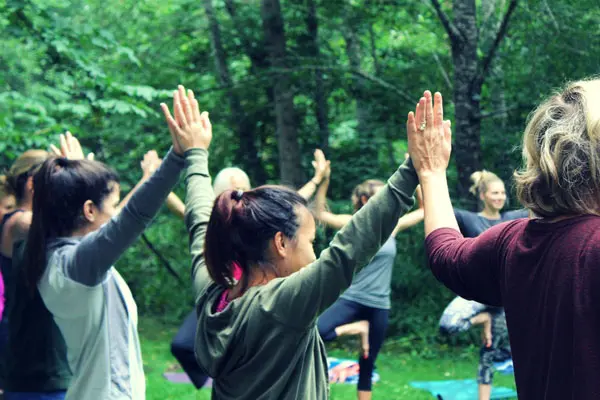
Back to Nature Women’s Yoga Retreat in Oregon
Jul 16 - 19, 2026 (Session 1)
Jul 23 - 26, 2026 (Session 2) Almost Full
Jul 26 - 28, 2026 (Session 3)
Now in its 13th year, this signature Oregon retreat draws women from across the country.
 New
New
You Might Also Enjoy
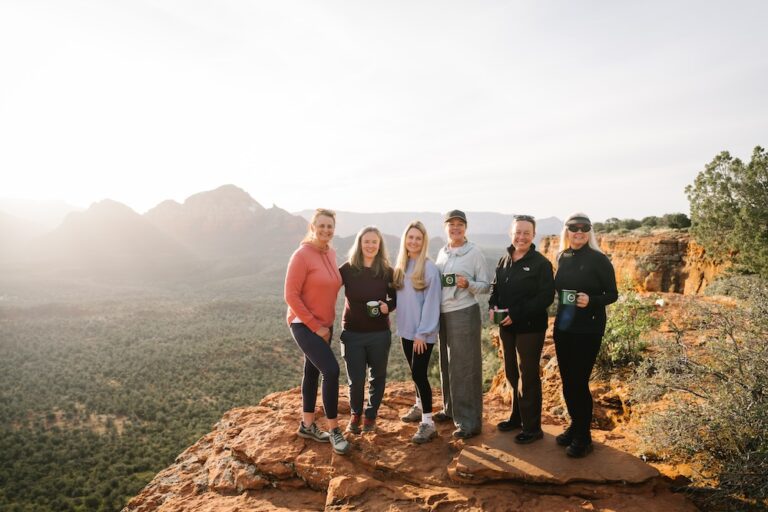
Who Are Women’s Yoga Retreats For? 9 Types of Women Who Actually Go (And Why)
There’s a moment before almost every retreat booking when: You’re on your phone, maybe a…

What to Expect at Your First Yoga Retreat (The Version Nobody Actually Tells You)
If you’ve been thinking about booking your first yoga retreat, there’s usually a moment where…
Women’s Yoga Retreat Near Asheville, NC: What It’s Actually Like
October in the Blue Ridge Mountains is its own kind of extraordinary. The leaves have…